
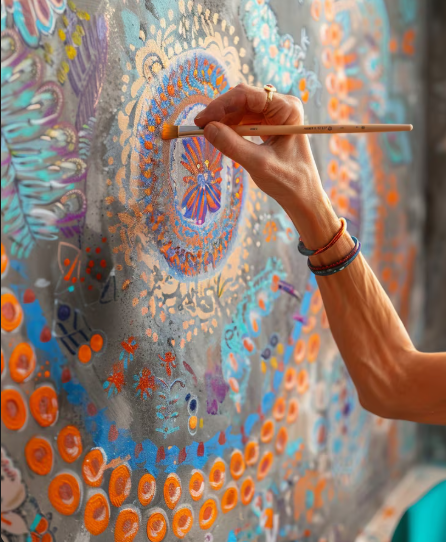
Technology is rapidly transforming the world of art. New digital tools allow artists to experiment with innovative techniques and create experiences that were previously unimaginable.
One of the most exciting developments is the rise of digital and interactive art. Artists now use virtual reality, augmented reality, and artificial intelligence to create immersive experiences that allow audiences to interact with artworks.
Artificial intelligence has also introduced new creative possibilities. Some artists use AI tools to generate patterns, analyze artistic styles, or produce experimental visual designs. These technologies expand the boundaries of traditional artistic creation.
However, the integration of technology in art has also sparked discussions about authenticity and the role of human creativity. While digital tools provide new opportunities, many artists emphasize the importance of maintaining emotional and cultural depth in artistic expression.
Technology also allows artists to reach global audiences through digital galleries, social media platforms, and online exhibitions. These platforms make it easier for emerging artists to share their work and collaborate with creators around the world.
The future of art will likely involve a balance between tradition and innovation. Artists will continue exploring new technologies while preserving the cultural and emotional elements that make art meaningful.
As creativity evolves alongside technological progress, art will remain a powerful force that connects people, inspires imagination, and shapes cultural identity.
10 Comments
I've been searching for custom Asian tattoo designs near me, and this blog really helped me understand the intricacies and cultural significance behind these beautiful art forms. It's great to find artists who specialize in custom Asian tattoo designs near me, ensuring authenticity and personalized creativity. Thanks for sharing such
This is a fantastic showcase of delicate artistry! I've been searching for a fine line tattoo specialist near me, and posts like this really help me appreciate the skill involved. The precision and detail in these designs are inspiring, making me confident to find someone who can create such intricate
I really appreciate the creativity showcased here! For anyone looking to preserve their artwork beautifully, custom framing Miami offers exceptional options that blend style and durability perfectly. It's amazing how the right frame can elevate a piece and make it truly stand out in any space. Highly recommend exploring local
I recently discovered the Procreate Brush Pack and it has completely transformed my digital artwork. The variety and quality of brushes make it so much easier to create detailed graffiti-style pieces directly on my iPad. If you’re into digital art and looking to expand your toolkit, I highly recommend trying
Die Verwendung von grünen Farbtönen in Kunstwerken verleiht den Werken oft eine lebendige und harmonische Ausstrahlung. Besonders in Mark Hellbuschs Arbeiten fällt auf, wie vielfältig und ausdrucksstark diese Farbpalette eingesetzt wird, um sowohl Naturverbundenheit als auch emotionale Tiefe zu vermitteln. Solche Grüntöne laden den Betrachter ein, die Kunst auf eine
Grüne Farbtöne Kunstwerke
It's truly inspiring to see how African spiritual symbolism wall art captures the rich cultural heritage and deep meanings behind each design. These artworks not only beautify spaces but also connect us to ancestral wisdom and traditions. Incorporating african spiritual symbolism wall art in homes or galleries brings a unique,
I recently discovered Aminn Tattoo and was impressed by their private tattoo studio setup. Having a private space really makes a difference in feeling comfortable and relaxed during the process. It’s great to see artists prioritizing a more personal and intimate environment for their clients, which definitely enhances the overall
I love how Coffee Stencils Custom add a unique touch to every cup, turning an ordinary coffee break into a creative experience. It's amazing how these artistic designs can brighten up the morning routine and make coffee moments more enjoyable. Definitely a fun way to combine art and everyday life!
I love how Spray Paint Custom Stencils can transform a simple wall into a vibrant piece of art! They offer so much creative freedom while allowing for precise and repeatable designs. It’s amazing to see how artists use them to express unique ideas and add personality to public spaces. Definitely
The intricate details and vibrant colors in African spiritual symbolism wall art truly capture the essence of cultural heritage and spirituality. It's inspiring to see how these artworks convey deep meanings and stories, making any space feel connected to African traditions and history. Such pieces are not only beautiful but